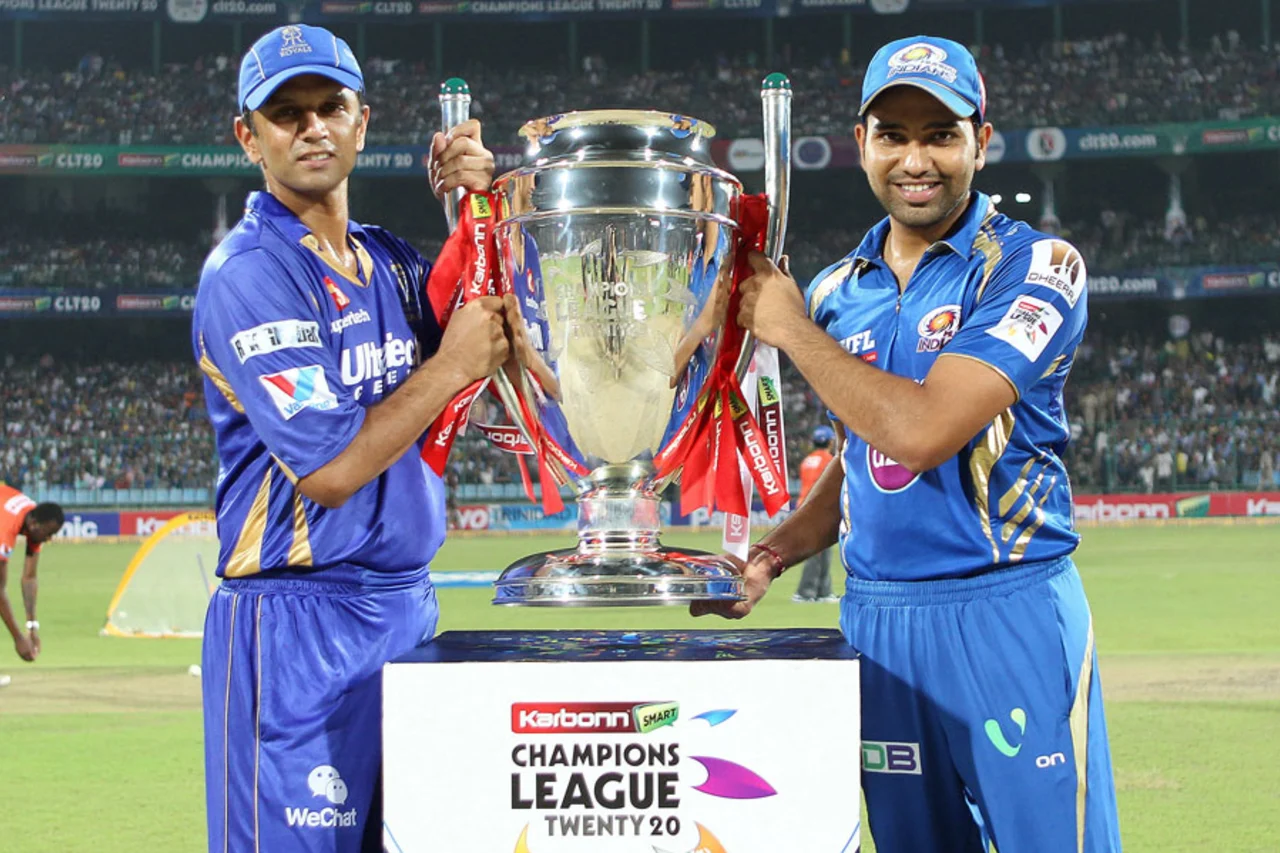
In a landmark move for the Indian Premier League (IPL), the Governing Council of the league convened in Bengaluru yesterday to finalize key player regulations for the upcoming 2025-2027 cycle. The meeting followed earlier discussions with the 10 franchise owners, which took place at the BCCI Headquarters in July. The new regulations are set to bring significant changes to how teams build their squads and manage player contracts, while also introducing new financial measures.
The decisions taken at the Governing Council meeting are expected to impact the competitive dynamics of the league for years to come. Here’s a closer look at the key outcomes:
Retention and Right to Match (RTM) Regulations
One of the most crucial decisions relates to the number of players each franchise can retain. As per the new rules, each IPL team can retain a total of six players from their existing squad. This retention can be done through a combination of direct retentions and the Right to Match (RTM) cards.
The rules offer flexibility to franchises, allowing them to decide their own balance of retained and RTM players. However, there are certain restrictions in place:
- Of the six total retained or RTM players, a maximum of five can be capped players (Indian or overseas).
- Additionally, franchises can retain up to two uncapped players, which could significantly influence teams’ strategies in nurturing young talent.
IPL 2025 Auction: Franchises Face Retention Headache as Mega-Auction Looms
These regulations will ensure that while franchises can retain their core players, they also need to make tough decisions about which talents to release back into the player auction pool, maintaining a competitive balance across the league.
Auction Purse and Salary Cap
The auction purse, a critical factor in shaping team compositions, has been revised for the 2025 season. Each franchise will now have an auction purse of ₹120 Crore, marking a substantial increase over previous seasons.
In a further update, the total salary cap for teams will now include three components: the auction purse, incremental performance pay, and match fees. The overall salary cap will also see significant growth over the next three years:
- ₹146 Crore in 2025,
- ₹151 Crore in 2026, and
- ₹157 Crore in 2027.
This is a notable increase from the ₹110 Crore total salary cap in 2024. The revised salary structure is designed to offer teams greater flexibility in managing player contracts and rewards, while also making room for performance-based incentives.
Introduction of Match Fees
In a first for the IPL, the league has introduced match fees for players. This new structure will ensure that every playing member in a match, including the Impact Player, will receive an additional match fee of ₹7.5 Lakhs per game. This will be paid on top of the player’s contracted amount, creating an additional layer of compensation tied to match participation.
In a historic move to celebrate consistency and champion outstanding performances in the #IPL, we are thrilled to introduce a match fee of INR 7.5 lakhs per game for our cricketers! A cricketer playing all league matches in a season will get Rs. 1.05 crores in addition to his…
— Jay Shah (@JayShah) September 28, 2024
The introduction of match fees is seen as a move to ensure that players are rewarded not only for their contracts but also for their active contributions on the field throughout the season.
Other Registration Rules & Penalties
Along with the structural changes in salary and retention rules, the Governing Council also implemented new regulations surrounding player registration and availability. These include:
- Overseas Player Registration: All overseas players are now required to register for the Big Auction to be eligible for selection. Should any overseas player fail to register, they will be ineligible for the subsequent year’s player auction. This move is aimed at ensuring transparency and timely availability of international talent.
- Player Availability and Penalties: A strict penalty has been introduced for players who make themselves unavailable after being picked in the auction. If a player registers for the auction, gets selected by a team, and subsequently withdraws before the start of the season, they will face a two-season ban from both the tournament and future player auctions. This penalty underscores the IPL’s commitment to avoiding last-minute withdrawals, which often disrupt team planning.
- Capped Indian Player Status: An Indian player who has been capped at the international level will be considered uncapped if, in the five calendar years preceding the relevant IPL season, they have not been part of the starting XI in an international match (Test, ODI, or T20I), or do not hold a central contract with the BCCI. This rule is designed to provide opportunities for players who may have previously been capped but have not seen recent action in international cricket.
MS Dhoni Celebrates 43rd Birthday with Salman Khan: A Star-Studded Affair
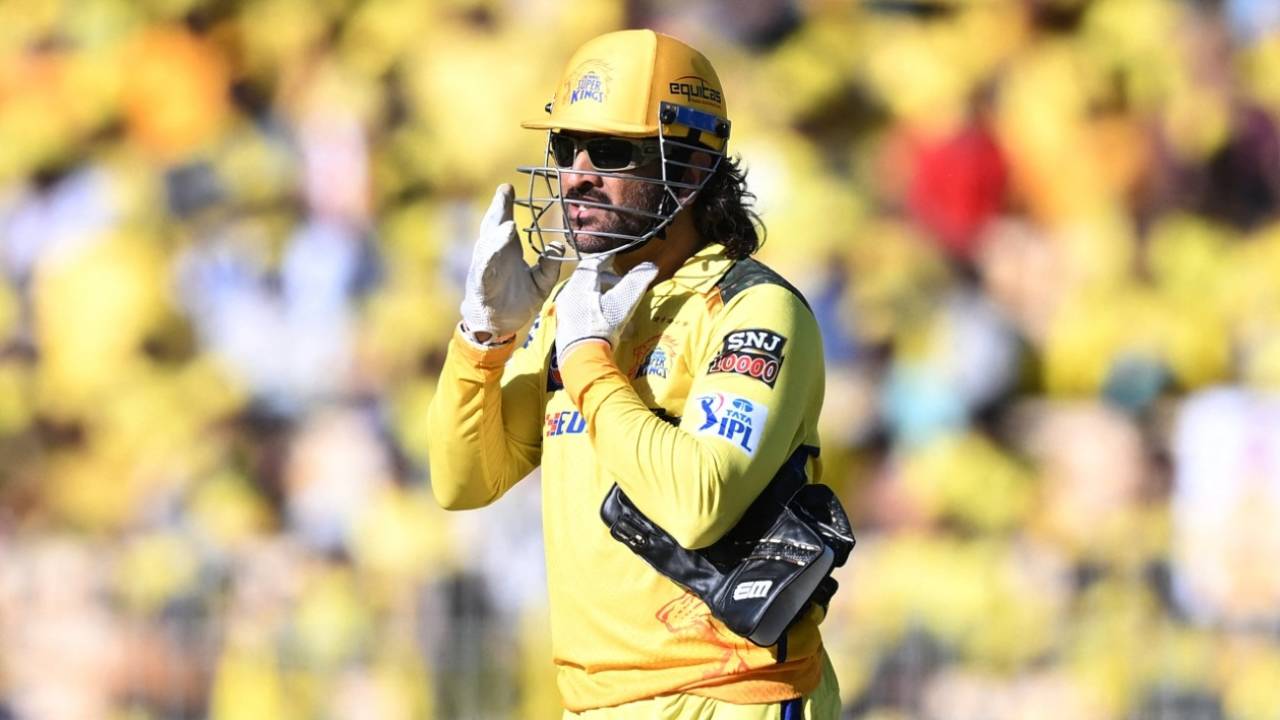
MS Dhoni set to be listed as ‘uncapped player’ as league announces host of rule changes ahead of auction. The change in rule implies that former Chennai Super Kings skipper MS Dhoni, who last featured for the national side during the 2019 ODI World Cup, will be listed as an uncapped player for IPL 2025.
 Impact Player Rule to Continue
The highly popular Impact Player rule, which allows teams to make tactical substitutions during the match, will continue for the 2025-2027 cycle. The regulation, first introduced in recent seasons, has added an extra layer of strategy to team management during games, and its continuation is expected to enhance the tactical aspect of the league.
Call to Action
Stay tuned to Hello Cric for more updates as we continue to bring you the latest news on the TATA IPL 2025-27 regulations, team strategies, and player movements. Don’t miss out on our in-depth analysis and expert insights as we gear up for an exciting new era of IPL cricket. Follow us for more exclusive coverage and join the conversation in the comments below—what are your thoughts on these new regulations?
Follow us on
Facebook
Instagram