

Reverse swing is one of the most captivating and challenging aspects of cricket, where the ball unexpectedly swings in the opposite direction to its seam orientation. This phenomenon is most effective when the ball has become worn and scuffed, resulting in an uneven surface. With the right technique, a bowler can make the ball deviate sharply from its initial path, making it extremely difficult for batsmen to anticipate its movement.
Understanding Reverse Swing
- Seam Position: The foundation of reverse swing lies in the seam’s position. Bowlers strive to keep the seam upright during delivery, which helps ensure that one side of the ball remains rougher than the other. This contrast in surface texture is crucial for generating the reverse swing effect.
- Air Pressure Dynamics: As the ball moves through the air, the rougher side creates lower air pressure compared to the smoother side. This difference in air pressure causes the ball to deviate from its expected trajectory, often catching batsmen off guard.
- Bowler’s Mastery: Achieving reverse swing demands a high level of skill from the bowler. It requires meticulous control over seam position and an ability to apply the necessary spin. This skill is honed through practice, precision, and an in-depth understanding of the ball’s aerodynamics.
The Impact of Reverse Swing
Reverse swing can dramatically alter the course of a cricket match. Batsmen who are unable to predict the ball’s movement are at a high risk of being dismissed, leading to crucial wickets and shifting the momentum in favor of the bowling side. Bowlers who have mastered the art of reverse swing become a formidable force on the field, capable of breaking established partnerships and exerting control over the game’s direction.
The Magic of Reverse Swing
Reverse swing is one of cricket’s most captivating and unpredictable elements, adding an extra layer of intrigue and excitement to the game. It demands a unique combination of technique, precision, and deep understanding from both bowlers and batsmen. For bowlers, mastering reverse swing can be a game-changer, allowing them to turn the tide of a match with just a few well-executed deliveries. Batsmen, on the other hand, must be highly vigilant and adaptive, as the late movement of the ball can challenge even the most experienced players.
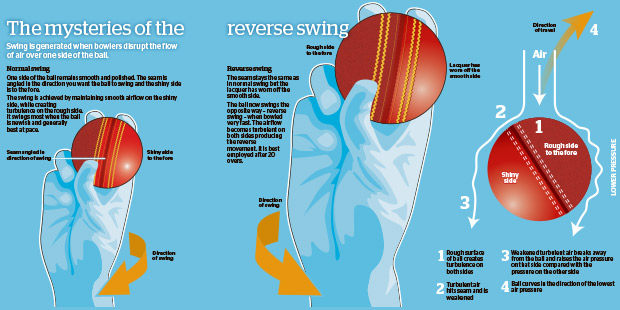
The impact of reverse swing on a match can be profound. A bowler who can harness this skill can single-handedly alter the course of a game, breaking crucial partnerships and leaving spectators on the edge of their seats. This fascinating aspect of cricket not only showcases the bowler’s artistry but also tests the resilience and technique of batsmen, making it a true spectacle for fans around the world.
Famous Reverse Swing Bowlers
- Wasim Akram: Widely regarded as one of the greatest fast bowlers in cricket history, Wasim Akram of Pakistan was a true maestro of reverse swing. His ability to move the ball late in its trajectory made him a nightmare for batsmen, often delivering unplayable deliveries that left them bewildered. Akram’s mastery of reverse swing, especially during crucial phases of the game, earned him the nickname “The Sultan of Swing.”
- Waqar Younis: Another Pakistani legend, Waqar Younis, was synonymous with lethal reverse swing. Known for his blistering pace and pinpoint accuracy, Waqar was particularly dangerous in the latter stages of an innings. His ability to reverse swing the old ball at high speeds made him a feared opponent, capable of decimating batting line-ups with devastating spells.
-
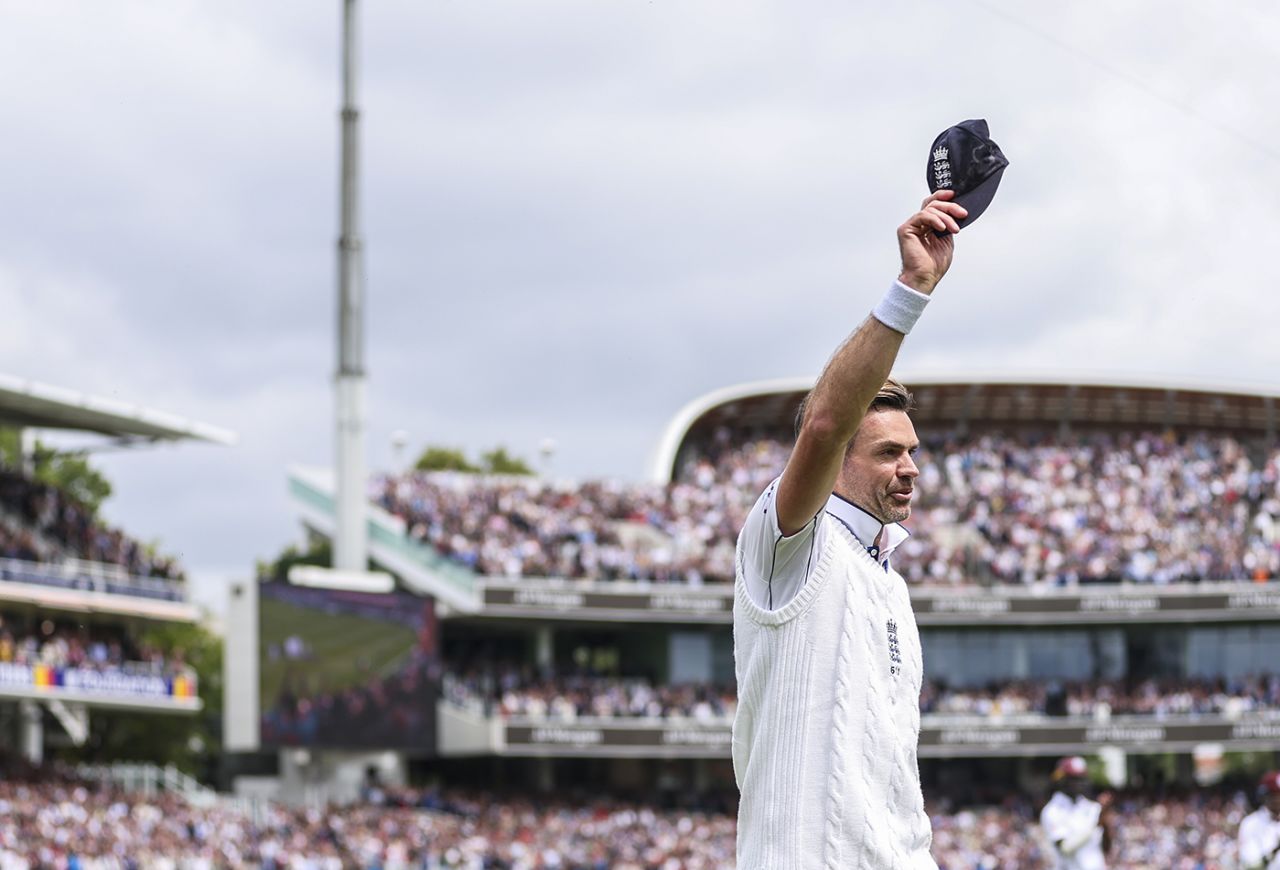
James Anderson: England’s premier fast bowler, James Anderson, has been a master craftsman of reverse swing throughout his illustrious career. Whether in the grueling conditions of Test matches or the high-pressure environments of One-Day Internationals, Anderson has consistently used reverse swing to outfox batsmen. His understanding of the nuances of swing bowling, coupled with his exceptional skill in exploiting reverse swing, has made him one of the most successful bowlers in cricket history.


